
Chrysler Brake Service Guide and the Warning Signs Most Drivers Miss
Ever had that moment where your car takes just a little longer to stop… and somehow your first instinct is to turn the radio down like that’s going to help?
Most brake problems don’t arrive
dramatically. There’s no movie-scene warning. No giant flashing sign. Usually,
it starts quietly, a squeak during the school run, a slight vibration pulling
into a parking spot at Bergen Town Center, or a pedal that suddenly feels
different during a rainy morning drive down Route 17. And honestly, it’s easy
to brush off at first.
Rides built for comfortable commuting,
family errands, longer highway drives, and packed weekend schedules tend to go
through more braking cycles than people realize. Between quick coffee runs,
pickup lines, shopping traffic around Paramus, and everyday New Jersey driving,
your brakes are constantly working in the background.
That’s why staying ahead of Chrysler maintenance matters more than most
drivers expect.
At CDJR of Paramus, technicians often
inspect vehicles where the warning signs started weeks earlier but seemed too
minor to worry about at the time. The problem is, issues rarely stay small
forever.
In this guide, we’ll break down the
warning signs many drivers miss, what causes brake wear to happen faster than
expected, how often service is actually needed, and what to know before
replacing components like brake pads or rotors.
Why Brake Wear Happens Faster Than Many People Expect
Most people associate brake wear with
long highway drives or high mileage. But in reality, daily driving habits
around Paramus can wear brakes down much faster than expected, even if the
trips themselves are short.
A typical week of errands, school
pickups, shopping traffic, and quick commutes puts the braking system to work
constantly. And over time, those repeated braking cycles start adding up.
Common factors that can increase brake
wear include:
●
Frequent braking through busy
roads like Route 4 and Route 17
●
Short trips where the brakes don’t
fully cool between drives
●
Packed parking lots and repeated
low-speed stopping
●
Carrying extra passenger or cargo
weight regularly
●
Sudden braking during heavy retail
or commuter traffic
●
Moisture and overnight surface
rust buildup on brake rotors
●
Potholes and uneven roads that
affect braking consistency
●
Cold mornings that cause brake
components to expand and contract
None of these are unusual driving
conditions. They’re simply part of everyday life around Bergen County. But
together, they can cause brake pads and rotors to wear sooner than many people
expect, especially when small warning signs go unnoticed for too long.
The Warning Signs Most Drivers Ignore
Brake problems rarely appear all at once.
More often, they start with small changes that seem easy to dismiss at first,
like a sound that comes and goes, a vibration during braking, or a pedal that
suddenly feels different during the morning commute. The tricky part is that
many of these warning signs develop gradually. And because the vehicle still
technically "drives fine,” people continue putting off service longer than they
should.
Here are some of the most common warning
signs that deserve attention sooner rather than later.
1. Squeaking That Comes and Goes
A high-pitched squeak is often one of the
earliest signs that your brake pads for a Chrysler may be wearing down. Many
brake pads are built with wear indicators designed to create a squealing sound
once the pad material becomes too thin. The sound may disappear temporarily
after rain, overnight moisture, or once the brakes warm up, which is why many
people assume the issue has resolved itself. Mostly, it didn’t. If the
squeaking keeps returning, it’s worth getting the brakes inspected before the
pads wear down further and begin affecting the rotors.
2. Vibrations While Braking
If the steering wheel or brake pedal
shakes while slowing down, uneven or warped rotors could be part of the
problem. This tends to feel more noticeable during highway braking or after
repeated hard stops. Heat buildup, potholes, and uneven brake wear can
gradually affect rotor surfaces over time, leading to inconsistent braking
feel. And no, your coffee cup rattling in the cupholder probably isn’t your
vehicle trying to add character to the drive.
3. A Brake Pedal That Suddenly Feels Different
Most people notice changes in their
brakes by feel before anything else. So when the pedal suddenly feels softer,
spongier, lower than usual, or less responsive, it usually points to a change
somewhere within the braking system. Low brake fluid, moisture contamination,
or air trapped in the brake lines can all affect how the pedal responds. If
braking suddenly feels less predictable than normal, it’s not something to keep
pushing off until "next weekend.”
4. Grinding Noises That Should Never Be Ignored
Grinding sounds are different from normal
brake squeaks and sometimes far more urgent. In many cases, grinding means the
brake pad material has worn down enough for metal components to contact the
rotor directly. Once that happens, the issue often moves beyond a simple brake
pad replacement and can start damaging other parts of the braking system. This
is commonly the point where smaller maintenance turns into a more expensive
repair.
5. Your Vehicle is Taking Longer to Stop
Sometimes the warning sign isn’t a sound
at all. Instead, the vehicle simply takes longer to stop than it used to. That
slower braking response can happen gradually enough that many people adjust to
it without realizing anything has changed. That slight hesitation when traffic
suddenly slows near a red light? That’s often when people first notice
something feels different. But if stopping feels less confident during wet
roads, sudden slowdowns, or busy Paramus traffic, the braking system deserves
attention before the issue worsens further.
Once those warning signs start showing up
consistently, the next question most people ask is whether the brakes simply
need inspection, maintenance, or full replacement.
How Often Should Chrysler Brake Service Actually Happen?
There’s no perfect mileage number that
applies to every vehicle because driving habits matter just as much as mileage
itself.
That said, brake inspections are commonly
recommended every 12,000 to 15,000 miles. Brake pads may last anywhere from
roughly 25,000 to 70,000 miles, depending on:
●
Braking habits
●
Driving conditions
●
Vehicle load
●
Road environments
●
Commuting patterns
Drivers who frequently brake harder,
carry heavier loads, or drive in dense suburban traffic may notice brake wear
sooner than expected. Brake fluid also matters more than people think. Over
time, moisture can contaminate the fluid, reducing braking performance. Many
manufacturers recommend a brake fluid flush approximately every two to three
years. The key is consistency. Catching wear early often prevents larger
repairs later.
Brake service isn’t just about mileage
numbers. It’s also about understanding what’s actually happening within the
braking system before the issue worsens.
What a Proper Chrysler Brake Service Actually Includes
A proper Chrysler brake service involves
more than replacing worn brake pads. Since the braking system works as a whole,
even minor wear or uneven braking can affect how the vehicle responds on the
road.
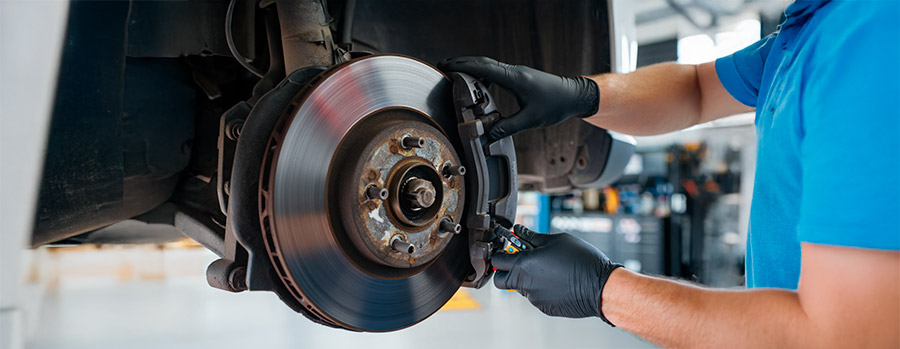
A professional inspection typically
includes:
●
Measuring brake pad thickness
●
Checking rotor condition
●
Inspecting calipers
●
Examining brake fluid quality
●
Identifying uneven wear patterns
●
Testing braking performance
●
Replacing with Mopar or OEM parts
Many drivers also ask how much brake pads
cost for a Chrysler. The cost usually depends on the model, rotor condition,
and whether front or rear brakes need service. Brake pad replacement may cost a
few hundred dollars per axle, while repairs involving both pads and rotors will
naturally cost more.
At CDJR of Paramus, technicians inspect
Chrysler braking systems using manufacturer-specific standards and look for
early signs of wear before they turn into larger repairs.
Conclusion
Brake problems tend to give warnings long
before they turn into major repairs. The challenge is that those warnings often
feel small enough to ignore at first, until braking performance noticeably
changes during everyday driving.
Paying attention to early signs like
squeaking, vibrations, softer pedal feel, or longer stopping distances can help
you avoid unnecessary damage and keep your vehicle driving the way it should.
Regular inspections and timely brake service also make it easier to catch
uneven wear before it affects other components like rotors or calipers.
For drivers around Paramus, where daily
driving often means crowded roads, sudden slowdowns, parking lot traffic, and
changing weather conditions, staying ahead of brake maintenance simply makes
driving feel more predictable and safer overall. If your vehicle has been
showing any of these warning signs lately, now’s a good time to get it checked
before the issue becomes more expensive or harder to ignore.
Swing by CDJR of Paramus for a
professional brake inspection and get ahead of small brake issues before they
turn into bigger repairs.
