
CDJR of Paramus Service
- HOME
- SERVICE
- QUICKLANE SERVICE
- EXCLUSIVE OFFER
- FINANCE
- QUICK SERVICES
- SPECIAL OFFERS
- BLOG
- ABOUT US
- 1001 Lancaster Avenue Reading, PA 19607
-
CDJR of Paramus ServiceReviewsAddress315 Rt 4 West
Paramus NJ 07652
Your Jeep is built to take you beyond the ordinary commute.
Whether you drive a Jeep Wrangler on
weekend trails, rely on a Grand Cherokee for Bergen County family trips, use a
Gladiator for towing, or navigate daily traffic around Paramus,
your transmission plays a major role in how your Jeep performs.
It transfers engine power to the wheels,
manages gear changes, and works alongside other drivetrain systems to deliver
the capability Jeep owners expect.
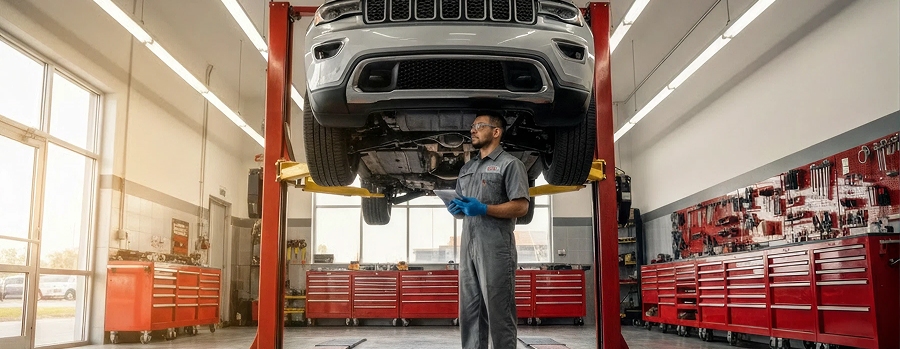
Because your transmission operates under
constant heat, pressure, and mechanical load, proper maintenance matters.
Off-road driving, towing, heavy loads, stop-and-go traffic, and changing New
Jersey weather can all increase the demands placed on your Jeep's transmission.
At Paramus Chrysler Dodge Jeep Ram, our
factory-trained technicians provide professional Jeep transmission service in
Paramus to help protect your vehicle's performance, reliability, and long-term
value.
Here's what Jeep owners should know about
transmission care.
One of the reasons Jeep ownership is different is capability.
Many Jeep vehicles are used for more than
daily transportation. Depending on the model and configuration, your Jeep may
regularly handle:
·
Stop-and-go traffic
·
Long highway drives
·
Towing and hauling
·
Off-road adventures
·
Steep or uneven terrain
·
Heavy vehicle loads
·
Snowy or slippery road
conditions
These conditions can increase heat and
mechanical demands on the transmission.
For example, slow off-road driving,
towing, and repeated acceleration under load may cause the transmission to work
harder. Cold winter temperatures around Paramus can also affect fluid behavior
and overall vehicle operation.
That does not mean every Jeep requires
frequent transmission service.
The correct maintenance schedule depends
on your specific model, transmission, mileage, and how you use the vehicle.
Following Jeep's recommended maintenance requirements and discussing demanding
driving habits with your service advisor is the best approach.
Not every Jeep transmission operates in
exactly the same way.
A Jeep Wrangler, Grand Cherokee,
Gladiator, Compass, or Grand Cherokee L may have different transmission
designs, specifications, and maintenance requirements.
Modern Jeep vehicles may use advanced
electronically controlled transmissions that rely on mechanical, hydraulic, and
electronic systems working together. Sensors and control modules help monitor
transmission operation and support smooth, efficient gear changes.
When a shifting concern develops, the
underlying cause may involve the transmission itself, fluid condition,
electrical components, sensors, software, or another part of the drivetrain.
Professional diagnostics help identify
the actual cause instead of replacing parts based on guesswork.
Maintaining proper transmission fluid
levels is important for reliable transmission performance.
Low fluid may reduce lubrication and
cooling while potentially affecting hydraulic operation in certain automatic
transmission designs. If fluid levels become excessively low, poor shifting and
increased internal wear can occur.
Possible causes of low transmission fluid
may include:
·
Transmission leaks
·
Damaged seals or gaskets
·
Cooling line concerns
·
Loose or damaged
connections
·
Previous service issues
However, simply adding fluid without
understanding why the level is low is not always the right solution.
A dropping fluid level may indicate an
underlying leak that needs to be located and repaired.
Fluid condition
also matters. Depending on your Jeep and transmission design, old or
contaminated fluid may no longer provide the same level of protection.
A professional inspection can determine
whether your vehicle needs fluid service, diagnostics, leak repair, or another
type of Jeep transmission service.
Transmission problems do not always begin
with a complete failure.
In many cases, your Jeep provides warning
signs that something has changed.
Schedule a transmission inspectionif you notice:
·
Delayed shifting
·
Rough or hard gear
changes
·
Slipping between gears
·
Shuddering or vibration
while shifting
·
Grinding noises
·
Burning odors
·
Transmission fluid leaks
·
Warning lights or
transmission messages
·
Difficulty accelerating
·
Unusual noises while
driving
These symptoms can have several possible
causes.
For example, rough shifting does not
automatically mean you need a complete transmission replacement. The issue
could involve fluid condition, sensors, electrical components, software, or
another drivetrain-related concern.
That is why proper diagnosis is
important.
A transmission fault servicewarning may appear when your Jeep's onboard systems detect an issue affecting
transmission operation.
Modern Jeep transmissions rely on sensors
and electronic controls to monitor information such as gear operation, fluid
temperature, pressure, speed, and component performance.
When the system detects an abnormal
condition, it may store a diagnostic trouble code or display a
transmission-related warning message.
Possible causes may include:
·
Sensor or electrical
faults
·
Solenoid concerns
·
Fluid pressure issues
·
Transmission overheating
·
Internal mechanical wear
·
Transmission control
module concerns
·
Low or leaking
transmission fluid
A warning message does not automatically
mean that the entire transmission needs replacement.
The correct next step is professional
diagnosis.
A factory-trained technician can retrieve
diagnostic information, inspect the vehicle, and perform additional testing to
determine what is actually causing the warning.
Regular inspections can help identify
developing concerns before they become more expensive repairs.
You know how your Jeep normally drives.
If shifting becomes slower, harsher, less
predictable, or noticeably different, do not ignore the change.
Even a small difference in transmission
behavior can provide useful information during a professional inspection.
Transmission fluid leaks may appear
beneath your Jeep, although fluid color can vary depending on the fluid type
and its condition.
If you notice unexplained fluid spots
where you park, schedule an inspection rather than assuming the leak is minor.
Towing can place additional demands on
your transmission.
If you use a Jeep Gladiator, Grand
Cherokee, or another capable Jeep model to tow a trailer or equipment, follow
your vehicle's towing guidelines and recommended maintenance schedule.
Your Jeep's specific configuration can
affect towing capability and maintenance needs.
Off-road driving can place different
demands on your vehicle than highway commuting.
Slow-speed trail driving, steep terrain,
mud, sand, and repeated changes in traction can increase the workload on your
Jeep's drivetrain systems.
Let your service advisor know if your
Jeep is regularly used for off-road adventures or other demanding conditions.
This information can help guide maintenance recommendations and inspections.
Transmission fluids are not universally
interchangeable.
Using the wrong fluid can affect
performance, lubrication, and transmission operation.
Always follow the specifications for your
exact Jeep model or rely on trained technicians to verify the correct fluid.
A transmission warning may appear before
you notice a major change in driving performance.
Addressing the warning early can make
diagnosis easier and may help prevent additional damage.
It depends on the warning and how your
Jeep is behaving.
If your vehicle displays a
transmission-related warning but continues to drive normally, schedule service
as soon as practical.
However, if you experience:
·
Severe slipping
·
Major loss of power
·
Inability to shift
·
Strong burning odors
·
Smoke
·
Severe shaking
·
Overheating warnings
It may be unsafe to continue driving.
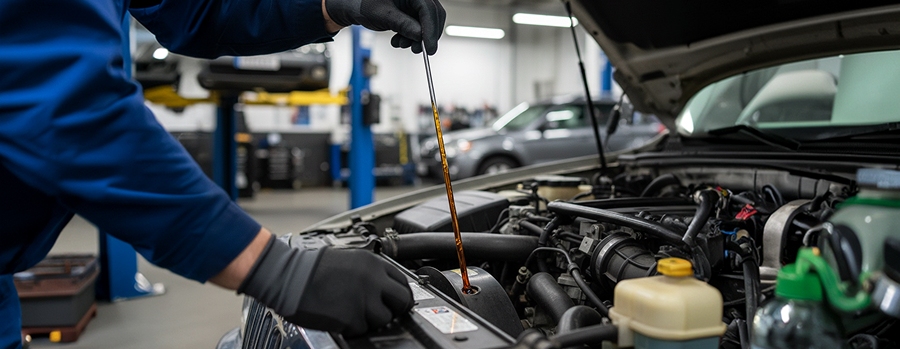
Avoid forcing your Jeep to operate under
heavy load when it is clearly experiencing a major transmission problem.
Prompt inspection can help protect the
transmission and other connected drivetrain components.
Whether you drive a Jeep Wrangler, Grand
Cherokee, Gladiator, Compass, or another Jeep model, your transmission
maintenance needs depend on how you use your vehicle. Bergen County commuting,
towing, off-road adventures, heavy loads, and changing seasonal weather can all
influence the demands placed on your transmission.
If you've noticed rough shifting,
slipping, unusual noises, fluid leaks, or a transmission warning message, don't
wait for the problem to become more serious.
Schedule your Jeep transmission service in Paramus at Paramus Chrysler Dodge Jeep Ram today and let our experienced team help keep your Jeep performing confidently on the road and beyond it.
