
Chrysler Fluid Change Guide: Keep Your Vehicle Running Like New
Whether you're navigating daily traffic on Route 4, cruising the Garden State Parkway, or preparing for another challenging New Jersey winter, your Chrysler depends on several essential fluids working together behind the scenes.
From lubricating engine components to keeping your brakes responsive and
your transmission shifting smoothly, these fluids play a critical role in your
vehicle's performance, reliability, and longevity. Neglecting them can lead to
costly repairs, reduced fuel efficiency, and premature wear.
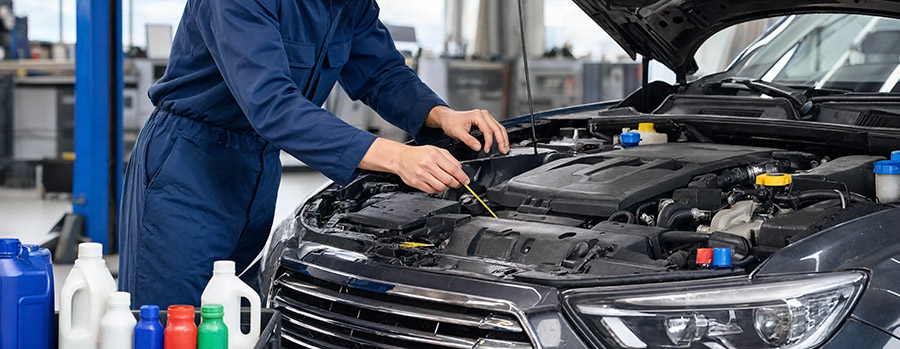
At Chrysler Dodge Jeep Ram of Paramus, we want drivers to understand how
proper fluid maintenance helps protect their investment. Here's a complete
guide to Chrysler's most important vehicle fluids, recommended service
intervals, and what happens during each fluid replacement service.
Chrysler Fluid Service
Schedule
Fluid maintenance intervals vary based on driving conditions. If you
regularly encounter stop-and-go traffic, frequent short trips, extended idling,
towing, or harsh winter weather, you should follow the shorter service
intervals.
|
Fluid Type
|
Inspection Frequency
|
Replacement Interval (Normal Use)
|
Replacement Interval (Severe Use)
|
|
Engine Oil & Filter
|
Monthly
|
7,500–10,000 miles or 1 year
|
3,500–5,000 miles
|
|
Brake Fluid
|
Every service visit
|
Every 24 months
|
Every 24 months
|
|
Engine Coolant
|
Monthly
|
Up to 10 years/150,000 miles
|
5 years/60,000 miles
|
|
Transmission Fluid
|
Check for leaks regularly
|
120,000–150,000 miles
|
Around 60,000 miles
|
|
Windshield Washer Fluid
|
Monthly
|
Refill as needed
|
Use winter formula seasonally
|
Please Note: This chart is intended as a general guideline.
Exact maintenance intervals can vary significantly based on your specific CDJR
model, year, and powertrain configuration. Always consult your vehicle's
official Owner’s Manual for definitive schedules or speak with a
factory-trained technician at Paramus CDJR to build a customized maintenance
plan tailored to your exact driving conditions.
Engine Oil: Your Engine's
First Line of Defense
Engine oil lubricates moving components, reduces friction, removes
contaminants, and helps regulate engine temperature. Over time, heat and
combustion byproducts cause oil to break down, reducing its protective
qualities.
Signs Your Chrysler Needs an Oil Change
-
Oil change reminder light appears
-
Engine sounds louder than normal
-
Reduced fuel economy
-
Dark, dirty oil on the dipstick
- Rough engine performance
What Happens During Oil Service?
A technician drains the old oil, replaces the oil filter, and refills
the engine with the manufacturer-recommended oil grade. The system is then
inspected for leaks, and the maintenance monitor is reset.
Routine oil changes remain one of the most effective ways to extend
engine life and maintain peak performance.
Brake Fluid: Critical for
Safe Stopping
Brake fluid transfers force from the brake pedal to the braking system.
Unlike many vehicle fluids, brake fluid absorbs
moisture over time.
As water content increases, the fluid's
boiling point decreases. Under heavy braking conditions, this can result in
reduced braking performance and a soft or spongy pedal feel.
Signs Brake Fluid May Need Service
-
Soft brake pedal
-
Increased stopping distance
-
Brake warning light
-
Dark or contaminated fluid
- Reduced braking confidence
What Happens During a Brake Fluid Flush?
Old fluid is removed from the hydraulic system and replaced with fresh
fluid that meets Chrysler specifications. The system is then bled to eliminate
trapped air and restore consistent brake performance.
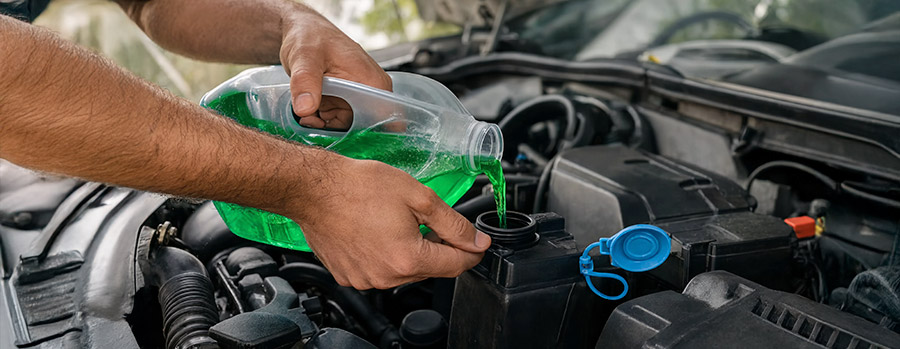
Regular brake fluid service also helps protect expensive ABS and
hydraulic components from internal corrosion.
Engine Coolant: Protecting
Against Heat and Freezing Temperatures
Your cooling system regulates engine temperature by circulating coolant
through the engine and radiator. Without properly maintained coolant,
overheating, freezing, and corrosion can occur.
Many Chrysler vehicles use long-life Organic Additive Technology (OAT)
coolant specifically engineered for modern cooling systems.
Signs Coolant Service May Be Needed
-
Engine temperature running higher than normal
-
Coolant warning light
-
Sweet smell from the engine compartment
-
Visible coolant leaks
- Rust or discoloration in the coolant reservoir
What Happens During a Coolant Service?
Technicians drain the old coolant, flush contaminants from the system if
necessary, and refill it with the correct Chrysler-approved coolant mixture.
Using the proper coolant formulation is important. Mixing incompatible
coolant types can reduce corrosion protection and potentially damage cooling
system components.
Transmission Fluid: Ensuring
Smooth Shifts
Transmission fluid lubricates gears, cools internal components, and
provides hydraulic pressure for smooth shifting.
Although many modern Chrysler transmissions are marketed as having
long-life fluid, severe driving conditions can accelerate fluid degradation.
Signs Your Transmission Fluid Needs Attention
-
Delayed gear engagement
-
Rough or hard shifting
-
Transmission slipping
-
Unusual noises during shifting
- Fluid leaks beneath the vehicle
What Happens During a Transmission Fluid Service?
Depending on the transmission design, technicians may:
-
Drain old fluid
-
Remove and inspect the transmission pan
-
Clean internal magnets
-
Replace the transmission filter when applicable
-
Install a new gasket
- Refill with Chrysler-approved transmission fluid
Many newer Chrysler models require specialized equipment to accurately
verify transmission fluid temperature and level,
making professional service especially important.
Windshield Washer Fluid:
Visibility Matters
Washer fluid may seem minor compared to engine or transmission fluids,
but clear visibility is essential for safe driving.
New Jersey drivers frequently encounter road salt, slush, insects,
pollen, and other debris that can quickly obstruct visibility.
Service Recommendations
Inspect washer fluid levels monthly and use a winter-rated formula
during colder months to prevent freezing and improve cleaning performance.
Why Fluid Maintenance Matters
Every major vehicle system relies on clean, properly maintained fluids.
Delaying service may seem harmless in the short term, but degraded fluids can
contribute to:
-
Increased component wear
-
Reduced fuel efficiency
-
Poor vehicle performance
-
Expensive repairs
- Shortened vehicle lifespan
Following Chrysler's recommended maintenance schedule helps preserve
reliability, maintain resale value, and keep your vehicle operating as
intended.
Schedule Chrysler Fluid
Service in Paramus
Whether your Chrysler needs an oil change, brake fluid flush, coolant
replacement, transmission service, or a complete fluid inspection, the
factory-trained technicians at Chrysler Dodge Jeep Ram of Paramus are ready to
help.
Our team uses advanced diagnostic equipment and genuine Mopar® fluids
designed specifically for your vehicle's systems.
Visit our service center at 315 Route 4 West, Paramus or schedule your appointment online today to keep your Chrysler performing at its best for years to come.
