
RAM Truck Service Guide: What to Check Before Hitting the Road
Planning a road trip in your RAM truck? Whether you're heading down the Jersey Shore, exploring the Poconos, towing a camper for a weekend getaway, or setting off on a longer highway adventure, your RAM is built to handle the journey.
But even a capable truck needs the right
preparation before a long trip.
Long-distance driving can put additional
stress on your engine, transmission, tires, brakes, suspension, cooling system,
and drivetrain. If you're towing a trailer or carrying a heavy load, those
demands increase even further.
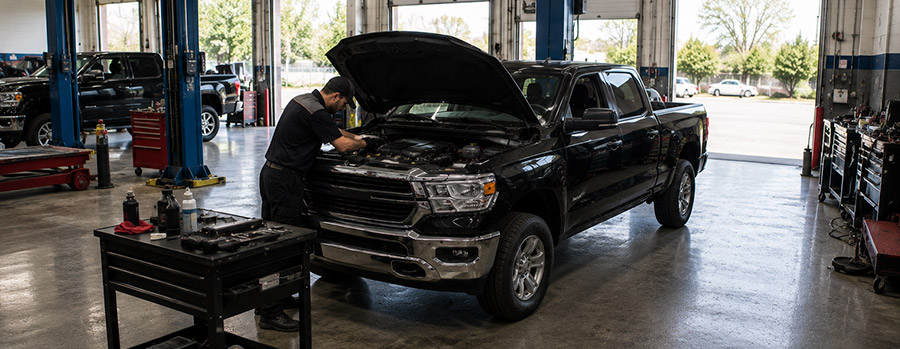
The good news is that a little
preparation can help you catch potential problems before you leave Paramus.
At CDJR of Paramus, we strive to make
service easy and effortless. Before loading your RAM and hitting the highway,
use this checklist to make sure your truck is ready for the miles ahead.
1. Start With Your RAM's Maintenance Schedule
Before checking individual components,
check the most important thing: when your RAM is due for service.
Your RAM's maintenance requirements
depend on the model, engine, mileage, drivetrain, and how you use the truck. A
RAM 1500 used primarily for commuting won't necessarily have the same
maintenance needs as a RAM 2500 or RAM 3500 that's regularly used for towing or
hauling.
Check your owner's manual and vehicle
maintenance information for upcoming services.
Look for items such as:
-
Oil and filter changes
-
Tire rotation
-
Brake inspections
-
Fluid checks or
replacements
-
Battery testing
-
Air-filter replacement
-
Transmission or
drivetrain service
-
Other scheduled
maintenance
If you're already approaching a service
interval, it's worth taking care of it before your trip rather than waiting
until you return.
2. Inspect Your RAM's Tires
Your tires become even more important
when you're driving hundreds of miles or carrying additional weight.
Start by checking the tire pressure on
all four tires and don't forget the spare. Use the recommended pressure listed
for your specific RAM rather than relying on the maximum pressure printed on
the tire itself.
Then inspect the tires for:
-
Uneven tread wear
-
Cracks or bulges
-
Punctures or embedded
objects
-
Low tread depth
-
Excessive wear on the
inside or outside edges
If your RAM has been towing or carrying
heavy loads, pay particular attention to the condition of the tires.
Uneven wear can also indicate an
alignment or suspension problem. If your truck pulls to one side or the
steering wheel vibrates at highway speeds, have it inspected before your trip.
A tire problem that's manageable around
town can become much more inconvenient when you're several hours from Paramus.
3. Check Your Brakes Before a Long Drive
A road trip can involve considerably more
braking than you might expect, especially when you're navigating unfamiliar
roads, heavy traffic, steep grades, or towing a trailer.
Pay attention to how your RAM's brakes
feel before you leave.
Warning signs include:
-
Squealing or grinding
-
A soft or spongy brake
pedal
-
Steering-wheel vibration
while braking
-
Pulling to one side
-
Increased stopping
distance
-
A brake warning light
If you're towing, your truck's braking
system has an even bigger responsibility because of the additional weight.
Don't wait until you're on the road to
investigate a change in braking performance. A RAM service center can inspect
your brake pads, rotors, calipers, brake fluid, and
related components before your trip.
4. Check Your Engine Oil and Fluids
A long highway drive means your engine
may run continuously for several hours. Proper fluid levels are therefore an
important part of your pre-trip preparation.
Check the engine oil level and confirm
whether an oil change is due.
You should also inspect the fluids
specified for your RAM, which may include:
-
Engine coolant
-
Brake fluid
-
Transmission fluid
-
Power steering fluid,
where applicable
-
Windshield washer fluid
Also look underneath your truck for signs
of leaking fluid.
A small leak may not seem like a big deal
when you're driving to work, but hundreds of highway miles can turn a
developing problem into a much bigger one.
If you're already due for maintenance,
scheduling RAM service before your road trip can give you an opportunity to
have these items checked together.
5. Pay Attention to Your RAM's Transmission and Drivetrain
One area that deserves particular
attention on a RAM truck is the drivetrain.
Your truck's transmission, driveshaft,
differentials, transfer case, and other drivetrain components work together to
deliver power to the wheels. This becomes especially important when towing or
carrying heavy loads.
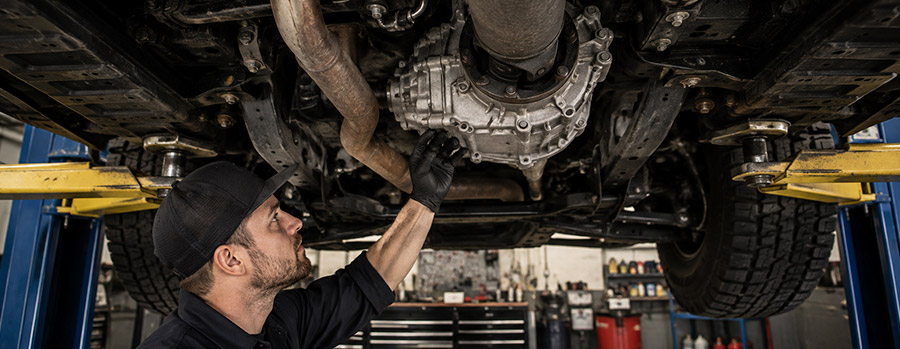
Before a long trip, pay attention to
anything that feels different.
Have your RAM inspected if you notice:
-
Delayed or harsh gear
changes
-
Unusual drivetrain
vibrations
-
Clunking when
accelerating or decelerating
-
Fluid leaks
-
Difficulty shifting
-
Unusual noises from
underneath the truck
If your RAM is equipped with four-wheel
drive, make sure you understand its operating modes and check your owner's
manual for any relevant maintenance requirements.
A drivetrain problem isn't something you
want to discover halfway through a long trip.
6. If You're Towing, Inspect the Entire Setup
This is where preparing a RAM for a road
trip differs significantly from preparing an ordinary passenger vehicle.
If you're towing a boat, camper, utility
trailer, or other equipment, don't inspect only the truck. Inspect the entire
towing setup.
Before leaving, check:
-
Hitch and receiver
-
Trailer wiring connection
-
Safety chains
-
Trailer lights
-
Trailer tires
-
Trailer brakes, if
equipped
-
Weight distribution
equipment, where applicable
-
Trailer load and cargo
security
Most importantly, make sure the combined
load is within your RAM's rated towing and payload limits.
Your RAM may have impressive towing
capability, but towing capacity isn't simply a universal number for every
truck. It can vary based on the engine, drivetrain, configuration, axle ratio,
equipment, and other factors.
Check your specific vehicle's
specifications before loading up.
If you're unsure whether your truck is
properly prepared for towing, a RAM dealership service team can help inspect
relevant components before you leave.
7. Check Your Battery and Charging System
The last thing you want after loading
your truck is a RAM that won't start.
Before a road trip, pay attention to
warning signs such as:
-
Slow engine cranking
-
Clicking when starting
-
Dimming headlights
-
Electrical accessories
behaving strangely
-
A battery or
charging-system warning light
-
A battery that repeatedly
loses its charge
If your battery is getting older or
you've noticed starting problems, have it tested before your trip.
A battery inspection can also help
identify potential charging-system problems, including issues with the
alternator.
Taking care of a weak battery in Paramus
is considerably easier than dealing with one at a
remote rest stop.
8. Check Your Suspension and Steering
RAM trucks are designed to handle
substantial loads, but that doesn't mean suspension and steering components are
immune to wear.
This becomes particularly important if
you're loading the truck with luggage, equipment, or passengers or towing a
trailer.
Watch for:
-
Excessive bouncing
-
Clunking or knocking
sounds
-
Uneven tire wear
-
Steering-wheel vibration
-
Pulling to one side
-
Excessive body movement
while cornering
If your RAM doesn't feel as stable or
controlled as it normally does, have it inspected before adding hundreds of
highway miles.
A suspension problem can also affect tire
wear and overall handling, making it even more important to address before a
long journey.
9. Make Sure Your RAM Is Ready for the Load
A road trip often means bringing more
stuff than you normally carry.
Coolers, luggage, camping equipment,
bikes, sports gear, tools, and other equipment can add up quickly.
Before loading your RAM, check its
payload limits and make sure the weight is distributed appropriately.
Don't simply throw everything into the
truck bed.
Heavy cargo should be secured properly so
that it doesn't shift during acceleration, braking,
or cornering.
If you're towing, remember that
passengers and cargo inside the truck also contribute to the vehicle's overall
weight.
Your RAM's capabilities are designed to
make hauling and towing easier, but staying within the truck's specifications
is essential.
10. Don't Forget the Lights, Wipers, and Visibility
A road trip can expose you to conditions
you didn't anticipate.
Check your:
-
Headlights
-
Brake lights
-
Turn signals
-
Hazard lights
-
Reverse lights
-
Windshield wipers
-
Washer fluid
Replace worn wiper blades before your
trip if they leave streaks or fail to clear the windshield properly.
This is particularly important if you're
expecting rain or changing weather along your route. Good visibility is just as
important as having a well-maintained truck.
Your RAM Road Trip Starts Before You Leave Paramus
A successful road trip starts long before
you reach the highway.
Before you load your RAM, take some time
to check its tires, brakes, fluids, battery, cooling system, suspension,
steering, and maintenance schedule. If you're towing, give your trailer and
hitch setup the same attention.
And if anything doesn't feel right, don't
ignore it.
RAM trucks are built for work, towing,
hauling, and long-distance driving but keeping yours properly maintained is
what helps it deliver that capability when you need it.
Whether you're planning a weekend getaway
or a cross-country adventure, CDJR Paramus can help you get your RAM ready for
the road.
Schedule your RAM service appointment before your next road trip and start your journey with confidence.
