
Dodge Maintenance Guide for Paramus Drivers
Your Dodge can handle horsepower, highway miles, and New Jersey winters. Neglected maintenance? That’s a different story.
Ever notice how your Dodge never seems to
act up when you’re cruising down an open highway… but suddenly decides to make
a weird noise while crawling through traffic or pulling into Garden State
Plaza? That’s usually how it starts. Not with dramatic breakdowns or clouds of
smoke, but with small things drivers tend to brush off. The problem is that
modern vehicles are incredibly good at hiding maintenance issues until they
become expensive.
And if you drive a Dodge in Paramus, your
vehicle probably sees a little bit of everything: short trips, crowded parking
lots, potholes after winter, highway merges on I-80, and long waits at red
lights during weekend shopping traffic. Add changing seasons into the mix, and
routine service becomes less about "extra care” and more about keeping your
vehicle dependable for everyday life. That’s why staying ahead of service
matters.
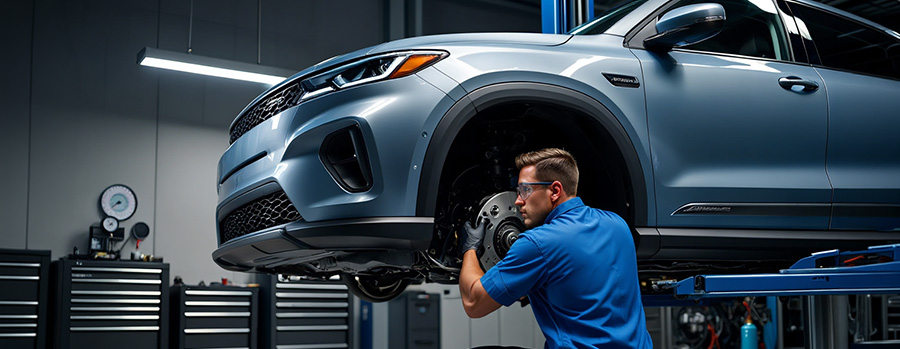
At CDJR of Paramus, drivers regularly
bring in vehicles for issues that could have been caught much earlier with
basic maintenance checks. The good news? Most major repairs usually begin as
smaller, manageable problems.
In this guide, we’ll break down the Dodge
maintenance schedule, common warning signs drivers overlook, expected cost
factors, and practical ways to keep your vehicle performing reliably around the
city.
Your Dodge Usually Whispers Before It Shouts
Most maintenance problems don’t appear
overnight. They build gradually.
Around Paramus, daily driving doesn’t
exactly make life easy for a vehicle. Short trips, crowded parking lots,
potholes after winter, and constant stoplights around Bergen County can wear
components down faster than many drivers realize. That’s why routine Dodge
maintenance matters. Routine check helps prevent small issues from snowballing
into larger repairs while improving drivability, safety, and long-term
reliability.
Noticing warning signs is only part of
the equation. Knowing when your Dodge actually needs service matters just as
much.
Dodge Maintenance Schedule Drivers Should Actually Follow
How often does your Dodge really need
maintenance?
Usually, before something starts feeling
off. In reality, most Dodge maintenance schedules are designed to prevent
issues before they affect performance. While exact intervals vary slightly by
model and driving habits.
Here’s a general timeline many vehicle
owners follow:
1. Every 5,000–10,000 Miles
This is the foundation of routine checks.
Typical services include:
●
Oil and filter changes
●
Tire rotations
●
Brake inspections
●
Fluid level checks
●
Battery testing
●
Multi-point inspections
For drivers constantly navigating crowded
North Jersey roads, tire rotations and brake checks become especially important
because uneven wear can develop gradually.
2. Around 30,000 Miles
This is where maintenance becomes more
preventative than routine.
Services may include:
●
Cabin air filter replacement
●
Engine air filter replacement
●
Brake fluid inspection
●
Suspension checks
●
Wheel alignment evaluation
If your vehicle suddenly feels rougher
over bumps or starts drifting slightly while driving, alignment or suspension
wear may already be developing.
3. Around 60,000 Miles
At this stage, deeper system inspections
become important.
Common services include:
●
Spark plug replacement
●
Transmission fluid service
●
Belt inspections
●
Cooling system checks
●
Comprehensive brake evaluations
Ignoring transmission service for too
long is one of the more expensive mistakes drivers make because transmission
issues rarely stay "small” for long.
4. Around 90,000 Miles
Higher-mileage vehicles need closer
attention to ageing components.
This may include:
●
Coolant flushes
●
Suspension component inspections
●
Steering system checks
●
Hose replacements
●
Advanced engine diagnostics
The goal here isn’t just longevity. It’s
preserving how the vehicle feels to drive every day. Even with a solid
maintenance schedule, vehicles usually find small ways to tell drivers
something isn’t quite right.
The Warning Signs Drivers Commonly Ignore
Most drivers don’t intentionally delay
service. Between work, errands, school pickups, and everyday life around
Paramus, it’s easy to put things off for later.
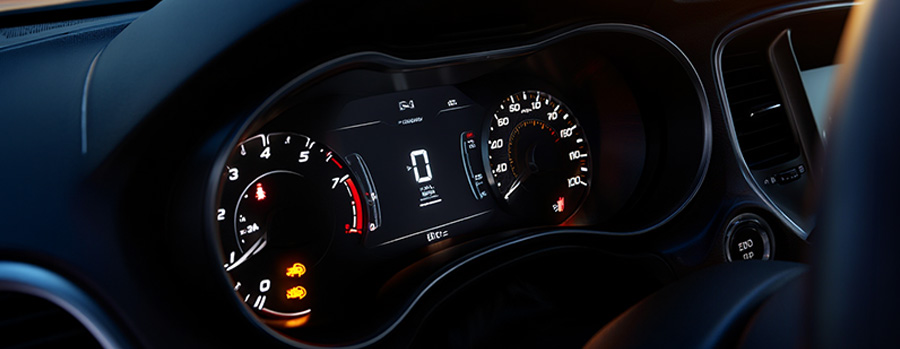
The problem is that vehicles usually give
subtle warnings before larger repairs happen.
●
Unusual Vibrations: If the steering wheel shakes at highway speeds or while braking, your
ride could be dealing with uneven tire wear, alignment issues, or worn brake
components. And no, your vehicle usually isn’t "just having a day.”
●
Slower Starts: When your Dodge suddenly struggles a little during startup, especially
on cold New Jersey mornings, a weak battery or electrical issue may already be
developing.
●
Squealing or Grinding Brakes: Brake noises rarely fix themselves. Waiting too long can wear down
rotors and turn a smaller brake service into a far more expensive repair.
●
Dashboard Warning Lights: Not every warning light signals immediate disaster, but ignoring them
for weeks can allow smaller issues to grow into larger mechanical problems.
●
Decreased Fuel Efficiency: If you’re making more gas station stops than usual around Bergen
County, dirty filters, aging spark plugs, or underinflated tires could be
affecting efficiency more than you realize.
This naturally leads to another question
many Dodge owners tend to ask, especially performance-car drivers.
Is Dodge High Maintenance?
Not necessarily. Vehicles like the Dodge
Charger are built for stronger performance, which means parts like brakes and
tires may wear faster depending on driving habits. But that doesn’t
automatically make them unreliable.
In most cases, delayed oil changes,
ignored warning signs, and inconsistent servicing are what lead to expensive
repairs, not simply owning the vehicle itself. And speaking of repair costs,
maintenance habits usually have a bigger impact on your wallet than most
drivers realize.
Elements That Affect Dodge Maintenance Cost?
Costs can vary based on:
●
Vehicle age
●
Mileage
●
Driving habits
●
Model type
●
Maintenance history
For example, replacing worn brake pads
early is far cheaper than waiting until the rotors are damaged. The same goes
for delayed fluid changes, ignored tire wear, or postponed battery service.
Connect with Turlock CDJR experts to know the exact cost for your ride.
Most of the time, preventative
maintenance costs far less than reactive repairs later.
Why Dealership Service is the Best Option
Independent shops can completely handle
many repairs. But modern Dodge vehicles rely on advanced diagnostics, software
systems, and model-specific components that benefit from specialized
experience.
At CDJR of Paramus, our certified
technicians regularly work with Dodge maintenance and CDJR maintenance using factory-recommended
procedures and OEM parts designed specifically for your vehicle. That
familiarity can help spot developing issues earlier and ensure repairs are done
correctly the first time.
For many drivers searching for "Dodge
maintenance near me,” it’s not just about location. It’s about knowing their
vehicle is being inspected by people who understand Dodge systems inside and
out. And let’s be honest, routine service feels a lot less painful when
maintenance coupons help soften the bill a little.
Not every maintenance habit requires a full-service
appointment, though. Some of the best preventative steps happen between visits.
Small Habits That Make a Bigger Difference
Not every maintenance habit requires a
service appointment. A few simple checks between visits can help drivers spot
issues earlier.
●
Monitor tire pressure monthly
●
Pay attention to new sounds or
vibrations
●
Avoid ignoring warning lights
●
Check for visible leaks
●
Replace wiper blades before storms
hit
●
Keep battery terminals clean
●
Avoid stretching oil changes too
long
It sounds basic, but consistency matters
more than perfection. The key is listening before the repair bill gets louder
than the symptom. At the end of the day, consistent maintenance is less about
perfection and more about staying ahead of problems before they become
headaches.
Final Thoughts
Keeping up with Dodge maintenance doesn’t
have to be complicated. Paying attention to smaller warning signs, following a
consistent service schedule, and handling issues early can go a long way toward
keeping your vehicle reliable through everyday driving around Paramus and
Bergen County. The goal isn’t perfection. It’s preventing minor wear from
turning into major repairs later. If your Dodge is due for service, showing
unusual symptoms, or simply overdue for an inspection, taking care of it sooner
is usually the smarter and less expensive move. And when you’re ready,
Stop by CDJR of Paramus for
professional Dodge maintenance, diagnostics, and factory-trained service that
helps keep your vehicle performing the way it should.
