
5 Common Suspension Problems Paramus Drivers Shouldn’t Ignore
Your vehicle's suspension system has an important job beyond keeping the ride comfortable. It helps maintain tire contact with the road, supports accurate steering, and keeps the vehicle composed when you're braking, accelerating, or taking a turn.
Suspension
wear doesn't always announce itself with an obvious failure. Instead, you may
notice smaller changes first—a vibration through the steering wheel, a strange
noise over bumps, or tires that don't seem to be wearing evenly. These can all
be clues that one or more suspension components need attention.
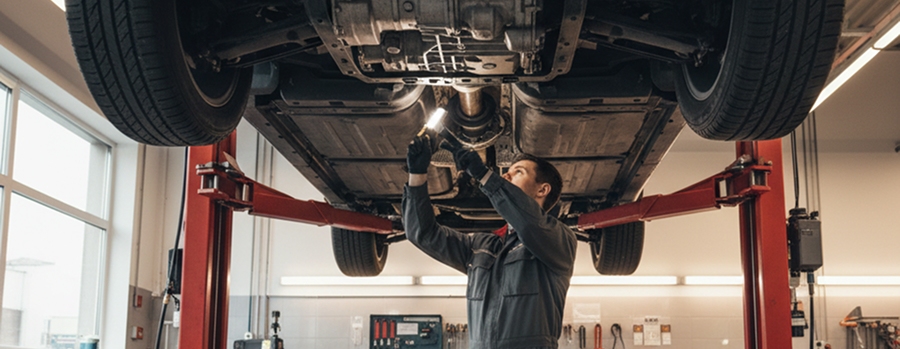
For
drivers in Paramus, suspension components experience plenty of everyday stress.
Stop-and-go traffic, highway miles, potholes, rough pavement, and changing road
conditions can gradually take their toll. Tie-rod ends, ball joints, control
arms, shocks, struts, and steering knuckles can all experience wear over time.
At Paramus
CDJR, we help drivers recognize these warning signs and determine what may
be happening underneath their vehicle. Whether you're behind the wheel of a
Jeep, Dodge, Chrysler, or Ram, here are five symptoms worth paying attention
to.
1. Your Steering Wheel Feels Loose or
Vibrates
A
healthy steering system should respond smoothly when you turn the wheel. If
there's noticeable play before the vehicle reacts, or you experience persistent
vibration while driving, it's a good idea to have the steering and suspension
checked.
What's
Behind It?
A worn tie-rod
end is one possible culprit. Tie-rod ends connect the steering linkage to
the wheel assembly and help translate your steering input into wheel movement.
As the joint wears, it can develop unwanted play that affects steering
response.
That
said, loose steering or vibration doesn't automatically mean the tie-rod ends
are worn. Tires, wheel balance, alignment, wheel bearings, and other suspension
components can create similar symptoms.
How Is
It Addressed?
A
technician can inspect the steering and suspension system for excessive
movement and check the relevant joints and connections. If worn tie-rod ends
are identified, replacement may be necessary. Since steering work can change
the vehicle's wheel geometry, an alignment may also be needed afterward.
2. Your Tires Show Unusual Wear Patterns
Your
tires can act as an early warning system for suspension problems.
When
checking your tires, look for tread that is wearing faster along one edge,
feathering across the tread, or scalloped and cupped sections around the tire.
These patterns can indicate that something is affecting the way the wheel and
tire meet the road.
What's
Behind It?
Suspension
components help keep the wheels properly positioned as the vehicle moves. Worn
bushings, control arms, ball joints, or other components can allow unwanted
wheel movement, changing the tire's contact with the pavement.
A
damaged steering knuckle can also affect wheel positioning. However,
uneven tire wear can have several causes, including alignment and tire-related
issues. Simply installing a new tire without finding the source of the wear may
allow the problem to return.
How Is
It Addressed?
A
comprehensive suspension system inspection can help determine whether a
worn component is contributing to the tire wear.
If a
suspension part is damaged or outside its intended specifications, it may need
to be repaired or replaced before the vehicle is aligned. Correcting the
underlying problem helps restore proper wheel geometry and can reduce
unnecessary tire wear.
3. The Front End Dips Excessively When You
Brake
Some
forward movement from the vehicle's body is normal when you apply the brakes.
However, if the front end drops noticeably or your vehicle feels unstable
during braking, your shocks or struts may not be controlling suspension
movement as effectively as they should.
You may
notice this most clearly during a sudden stop in traffic or when braking for an
intersection around Paramus.
What's
Behind It?
Shocks
and struts are designed to control the movement of the vehicle's springs and
help manage weight transfer. As they wear, their ability to control that
movement can decrease.
A
leaking shock or strut can be another indication that the component is reaching
the end of its useful service life.
How Is
It Addressed?
A
technician can examine the shocks and struts for fluid leaks, physical damage,
and other signs of deterioration. When replacement is necessary, shocks or
struts are commonly replaced in pairs on the same axle to help provide balanced
handling.
Keep in
mind that suspension symptoms can sometimes overlap with brake-system problems.
If you notice changes in braking performance along with excessive nose-diving
or instability, having both systems inspected can help identify the actual
cause.
4. You Notice Cracked Bushings or Torn
Protective Boots
Not
every suspension problem is something you have to feel from the driver's seat.
In some cases, a visual inspection can reveal a problem before it becomes more
noticeable on the road.
Suspension
and steering assemblies contain rubber boots and bushings that help protect
joints and control movement. Over time, these materials can deteriorate because
of age, mileage, road debris, temperature changes, and normal use.
What's
Behind It?
Consider
a tie-rod end or ball joint with a torn grease boot. Once the protective
boot is damaged, dirt and moisture can reach the joint while grease escapes.
Contamination can accelerate wear inside the joint.
Suspension
bushings can experience similar age-related deterioration. Once a bushing
becomes cracked or excessively worn, the component it supports may have more
movement than intended.
How Is
It Addressed?
During avisual suspension inspection, a technician can check for damaged boots,
cracked bushings, leaking shocks or struts, damaged mounting points, and other
visible signs of wear.
The
appropriate repair depends on the condition of the component. If a joint has
already developed excessive play or internal damage, replacing the affected
part may be necessary.
Regular
inspections can help identify these issues before they contribute to additional
steering or suspension problems.
5. You Hear a Clunk or Pop From the Front End
Sometimes
your vehicle tells you something is wrong by making a noise.
A clunk
when turning into a parking space, a knock over a rough patch of pavement, or a
popping sound while maneuvering at low speeds can all warrant a closer look.
What's
Behind It?
There
isn't one suspension component responsible for every front-end noise. Excessive
movement in ball joints, control-arm bushings, stabilizer-bar links, strut
mounts, tie-rod ends, and other components can all produce similar sounds.
A
damaged steering knuckle may also contribute to suspension-related
problems, but the component shouldn't be blamed based on the noise alone.
How Is
It Addressed?
A
technician can inspect the front suspension and steering assembly for loose
hardware, excessive movement, worn joints, damaged bushings, and other
potential sources of the noise.
Identifying
the source early can help prevent additional wear and get your vehicle back to
the controlled, predictable handling you expect from your Jeep, Dodge,
Chrysler, or Ram.
Keep Your Suspension Ready for the Road
Your
suspension is working whenever your vehicle is moving. It helps manage the
forces created when you steer, brake, accelerate, and travel across uneven
pavement.
Because
much of that work happens without your attention, suspension wear can go
unnoticed until a symptom becomes difficult to ignore.
A
steering wheel that develops excessive play, irregular tire wear, pronounced
body movement during braking, damaged rubber components, or an unexplained
clunk can all be reasons to schedule an inspection.
That
doesn't necessarily mean your vehicle has a major suspension failure. But
identifying the cause early can help prevent a relatively manageable issue from
developing into additional wear or affecting other components.
Whether
you're driving a Jeep SUV, Dodge performance vehicle, Chrysler sedan, or Ram
truck, maintaining the suspension helps support proper handling, tire contact,
and overall ride quality.
If your
vehicle has started to steer, ride, or handle differently, bring it to Paramus
CDJR for a closer look. Our team can inspect the suspension and steering
components and help determine what service your vehicle may need.
Schedule your CDJR suspension inspection or service at Paramus CDJR today and keep your vehicle ready for the roads around Paramus and beyond.
