
What Is the Recommended Jeep Service Schedule?
When was the last time you checked your Jeep's maintenance schedule, and was it before or after that dashboard reminder appeared?
If you're
like many Jeep owners, you probably know when your next road trip, soccer
practice, grocery run, or weekend getaway is happening. Your vehicle's
maintenance schedule? That may be a little harder to recall.
Life moves
quickly. Between navigating Route 17, making trips to Garden State Plaza,
commuting across Bergen County, and juggling family responsibilities, routine
vehicle maintenance can easily slip down the priority list. The problem is that
most maintenance items don't demand attention until wear has already started to
affect performance. That's where a recommended Jeep service schedule comes in.
Rather than waiting for a warning light or unexpected repair, following a
maintenance plan helps keep your Jeep operating the way it was designed to.
At CDJR of
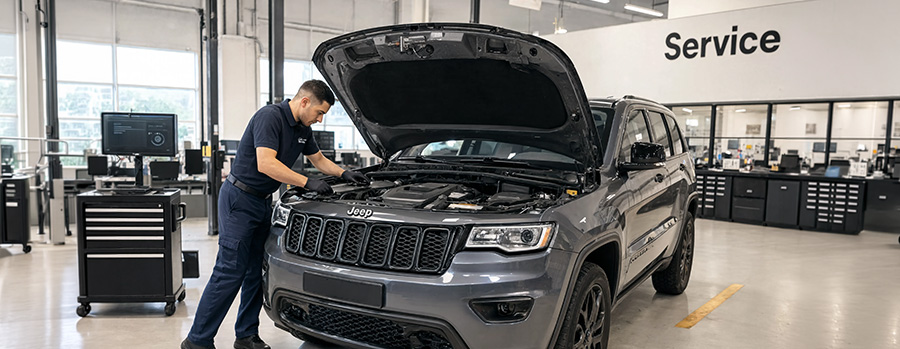
Paramus, one of the most common questions service advisors hear is: "How
often should you service your Jeep?" The answer depends on several
factors, but there are important guidelines every owner should know.
In this
guide, we'll break down key Jeep service intervals, explain what maintenance
typically occurs at each milestone, discuss factors that can affect your
schedule, and highlight signs that your Jeep may need attention sooner than
expected.
Why a Jeep Service Schedule Matters
A
maintenance schedule isn't just a list of recommendations tucked away in your
owner's manual. It's a roadmap designed to help protect your vehicle's
performance, safety, and long-term reliability. Every Jeep contains hundreds of
moving parts that experience wear over time. Engine oil breaks down, filters
collect debris, tires wear unevenly, and fluids gradually lose effectiveness.
Routine maintenance helps address these issues before they lead to larger
concerns.
For many
Paramus-area drivers, vehicle usage can be more demanding than expected.
Frequent short trips, seasonal temperature changes, school drop-offs, shopping
runs, and highway driving all place stress on critical components. Staying
current with scheduled maintenance can help identify minor concerns early,
reduce the risk of unexpected breakdowns, and support the longevity of major
systems such as the engine, transmission, and braking system.
While every
Jeep follows a manufacturer-recommended maintenance schedule, how you use your
vehicle can influence how often certain services are needed.
How Often Should You Service Your Jeep?
Although
maintenance requirements vary by model year, engine type, and driving
conditions, many Jeep vehicles benefit from service visits approximately every
5,000 to 7,500 miles.
These
routine visits often include:
·
Engine oil and filter replacement
·
Tire rotation
·
Brake inspection
·
Fluid level checks
·
Battery inspection
·
Multi-point vehicle inspection
Think of
these appointments as regular health checkups for your Jeep. Even when
everything appears to be functioning normally, inspections can help identify
developing issues before they become more expensive repairs. The most accurate
service recommendations for your vehicle will always be found in your owner's
manual. However, understanding major maintenance milestones can help you stay
ahead of future service needs.
Routine
inspections may occur every few thousand miles, but several important
maintenance checkpoints arrive as your Jeep accumulates mileage.
Key Jeep Service Milestones to Keep on Your
Radar
1. Around 10,000 Miles
At this
stage, routine maintenance remains the primary focus.
Services may
include:
·
Oil and filter changes
·
Tire rotations
·
Brake inspections
·
Steering and suspension evaluations
·
Fluid inspections
These early
visits establish a foundation for long-term vehicle health and allow
technicians to identify abnormal wear patterns.
2. Around 20,000 to 30,000 Miles
As mileage
increases, additional maintenance items begin to require attention.
Common
services may include:
·
Cabin air filter replacement
·
Engine air filter replacement
·
Brake system evaluation
·
Tire condition assessment
·
Battery performance checks
Filters play
an important role in protecting both your engine and cabin environment.
Replacing them at appropriate intervals helps maintain efficiency and
performance.
3. Around 60,000 Miles and Beyond
This
milestone often involves more comprehensive inspections.
Depending on
the model and engine configuration, technicians may inspect or service:
·
Spark plugs
·
Cooling system components
·
Drive belts
·
Transmission fluid
·
Differential fluids
·
Suspension components
As vehicles
age, these inspections become increasingly important because wear develops
gradually and may not always produce noticeable symptoms.
Mileage is
only part of the equation, though. Your driving habits can influence
maintenance requirements just as much as the odometer.
Five Driving Habits That Can Affect Your Jeep
Service Schedule
Driving
habits vary from one owner to another, and service intervals may need
adjustments beyond the standard schedule.
·
Frequent Short Trips: Short-distance driving may not allow the engine to reach optimal
operating temperature consistently. Over time, this can affect oil quality and
overall engine efficiency.
·
Towing: Many Jeep
owners use their vehicles for towing trailers, boats, or recreational
equipment. Additional weight places increased stress on the engine,
transmission, brakes, and cooling system.
·
Off-Road Driving: One of Jeep's defining characteristics is its ability to handle
challenging terrain. However, exposure to dirt, mud, dust, and uneven surfaces
can accelerate wear on suspension, drivetrain, and filtration components.
·
Carrying Heavy Loads: Regularly transporting passengers, equipment, or cargo can increase
strain on tires, brakes, and suspension systems.
·
Extended Idling: Waiting in school pickup lines, event traffic, or parking areas with the
engine running contributes to engine operating time even when mileage
accumulation remains low.
Even if
you're diligent about maintenance, your Jeep may occasionally signal that it
needs attention sooner.
Signs Your Jeep May Need Service Before the
Next Scheduled Visit
Even a
well-maintained Jeep can show early warning signs between scheduled visits.
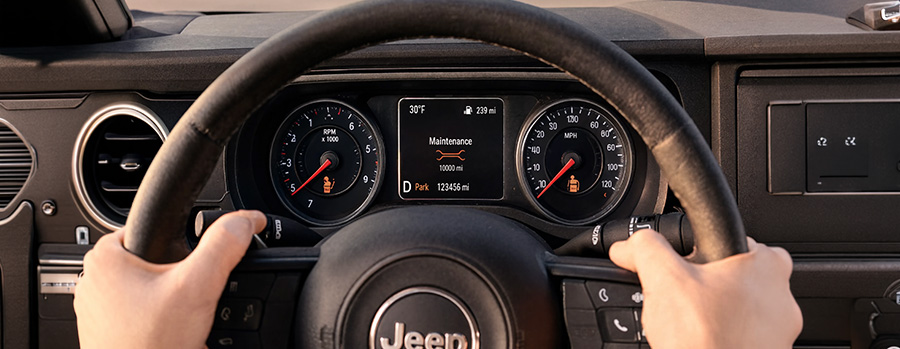
Watch for:
·
Dashboard warning lights. If a check engine, oil, battery, or other
warning light stays on, schedule an inspection rather than waiting for the next
service interval.
·
Unusual noises like grinding, squealing, knocking, or rattling sounds
can indicate brake, engine, suspension, or other component wear that should be
checked.
·
Fluid leaks. Oil spots, coolant puddles, or other stains beneath your
Jeep may signal leaks that can affect performance and reliability if left
unaddressed.
·
Shaking during braking, acceleration, or highway driving can point to
tire, brake, suspension, or alignment issues.
·
Reduced fuel efficiency. A noticeable increase in fuel consumption may
indicate maintenance-related concerns such as tire pressure, air filters, or
engine-system issues.
Not every
symptom signals a major repair, but early diagnosis often helps prevent more
extensive work later. Knowing when to schedule service is important. Choosing
the right facility for that service matters just as much.
Why Choosing the Right Jeep Service Center
Matters
Modern Jeep
vehicles rely on advanced technology, electronic systems, and sophisticated
engineering. Proper maintenance requires more than basic tools and guesswork.
A qualified
Jeep service center like CDJR of Paramus can provide:
·
Factory-trained technicians
·
Manufacturer-recommended maintenance procedures
·
Genuine Mopar parts
·
Advanced diagnostic equipment
·
Accurate service records
For drivers
searching for a trusted Jeep service center or Jeep dealership repair facility,
working with technicians familiar with Jeep systems helps ensure maintenance is
performed correctly and according to manufacturer standards. Whether you're
researching Jeep service near me, exploring available Jeep service specials, or
looking for ways to maintain your vehicle's long-term reliability, professional
service can provide valuable peace of mind.
Final Thoughts: Stay Ahead of Your Jeep
Service
A
recommended Jeep service schedule isn't about creating extra appointments. It's
about protecting your investment and addressing routine maintenance before
minor concerns become larger repairs. Whether your Jeep is approaching a major
mileage milestone, showing signs of wear, or simply due for an inspection,
staying proactive can help support performance, safety, and reliability for
years to come.
If you're
unsure about your maintenance schedule or want guidance tailored to your
specific model and driving habits, swing by CDJR of Paramus. The service
team can review your vehicle's maintenance history, answer your questions, and
help you stay on track with the Jeep service schedule that's right for you.
